Hack and Slash vs Souls Like Games: Precision vs. Spectacle
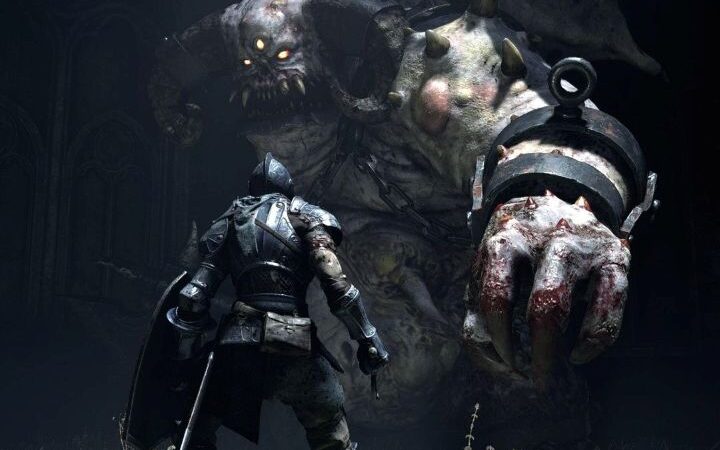
Hack and Slash vs Souls Like Games. In soulslike combat gameplay is unforgiving. This means making mistakes are common for most players, and making too many mistakes will result in death which is likely to happen for newcomers and players who have not mastered the dodging mechanics for each enemy and boss. The mechanics to focus on to limit these mistakes focus on memorizing enemy attack patterns to precisely time attacks and dodges in between the time in which they are attackable and when they are moving, guarding in some way, or attacking. Stamina management is also a concept to master. With consistently drained stamina, the player will be unable to dodge when needed, resulting in mistakes and the player will miss many opportunities to attack resulting in more risk when the player has to dodge more attacks as the enemy lives longer.
Many souls games feature magic abilities as part of the gameplay mechanics. Magic may include attacking with fire spells or spells that use multiple projectiles. You can upgrade and use magic in cool ways that make it feel like you are making a custom setup where it feels like you yourself have discovered how to become overpowered.
In hack-and-slash games, charge mechanics fuel aggressive momentum, extending flashy combo strings and triggering screen-clearing finishers. Conversely, Souls-likes emphasize patience and risk; executing a charged attack requires precision timing to exploit narrow boss openings, often sacrificing your own stamina and defense for a massive, posture-breaking payoff.
Read more about my blog on What Are Hack and Slash Games
Hack and Slash games focus on seamlessly transitioning movements from combos to abilities. These games contain combos based on weapons that one must manage based on the enemy the player is facing. If a player is facing an aerial enemy that must be stunned in order to be defeated with minimal damage, then a weapon that can stun must be equipped and a combo that initiates the stun is what the player is looking to use. This gameplay involves managing resources such as magic bars and special attack bars for fun burst moments against more difficult enemies, attacking from a distance, or attacking while invulnerable. The momentum within gameplay revolves around avoiding enemy attacks by dashing, dodge rolling, or perfectly timing a dodge action event.
Resource Management and Pacing
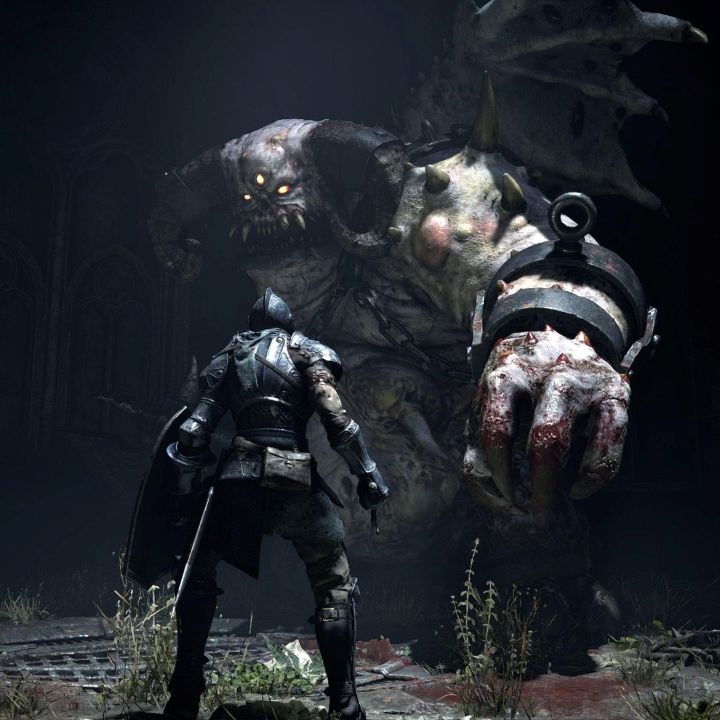
In soulsliike games you must manage stamina or you will be open to attack when fatigued. The way to do this is to memorize boss movements and attack patterns so you may either decide to move or dodge away from the attacks and attack when your stamina has been rightfully managed before or after the enemy is attacking and when the enemy’s movements permit your attacks to reach him or her.
Hack and slash games contain combos based on weapons that one must manage based on the enemy the player is facing. If a player is facing an aerial enemy that must be stunned in order to be defeated with minimal damage then a weapon that can stun must be equipped and a combo that initiates the stun is what the player is looking to use. This gameplay involves managing resources such as magic bars and special attack bars for fun burst moments against more difficult enemies, attacking from a distance, or attacking while invulnerable. The momentum within gameplay revolves around avoiding enemy attacks by dashing, dodge rolling, or perfectly timing a dodge action event.
Attack Execution and Defense Mechanisms
Souls-like games require that you button-mash the attack button on many normal enemies because they are easy to destroy, while bosses and harder enemies require more mental finesse. You have small window to parry attacks that become predictable after studying and a small window to dodge attacks. Your attacks depend widely on the weapon or magic you are using. Some Souls game weapon varieties are so large that there are weapon that feel like you are holding a gigantic electric can opener right in the enemy’s face and by simply holding the attack button you can allow the contraption to do alot of damage while it operates. There are also large weapons like hammers that do some of the heaviest damage in the game but are slow to attack and require a certain loadout of characteristic points distributed so that you can carry it. Souls games are known for having fast weapons and magic abilities as well as ranged weapons.
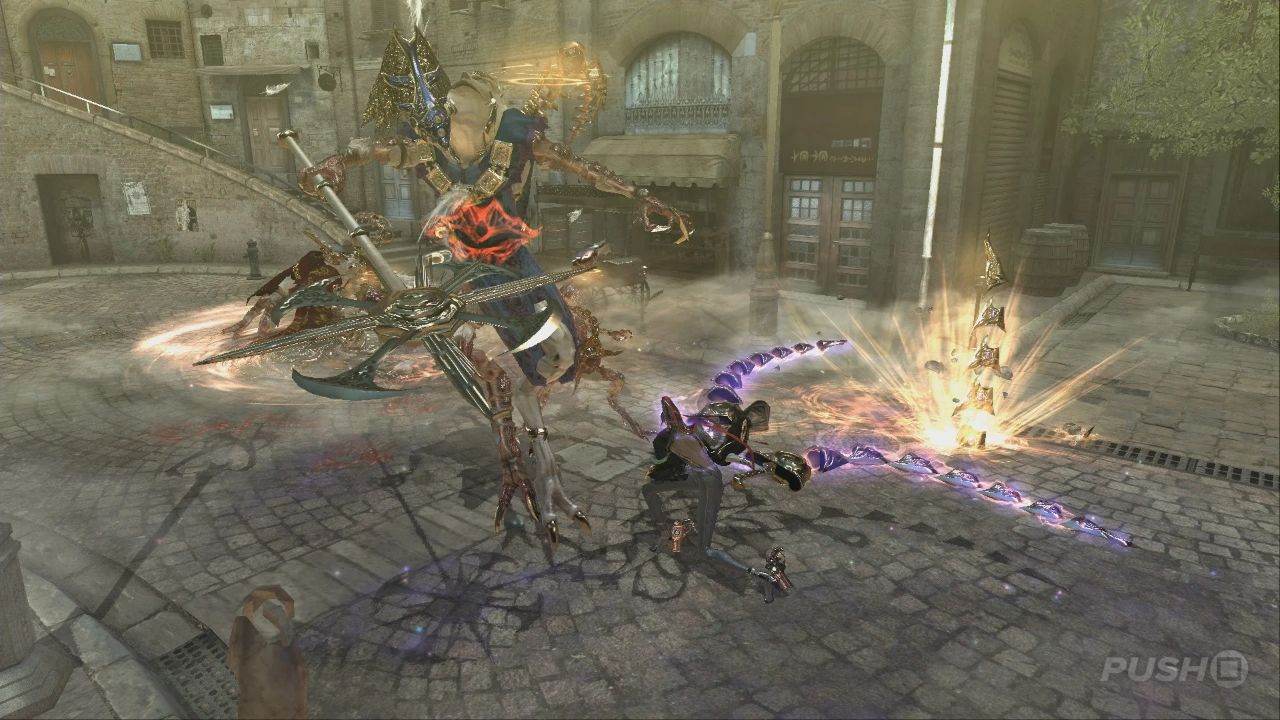
Hack and slash defense usually includes dodge rolling or using an action button during a window of opportunity to dodge. The second reference is extremely fun in the game Bayonetta. I strongly recommend playing this game if you would like to play in the hack and slash genre. Auto targeting occurs when the player uses the directional stick to face an enemy while attacking. In games like God of War 3, you can dodge roll out of the way of enemy attacks which makes the game less fun than Bayonetta’s style of dodging but still fun to experience due to the sensation of successfully dodging attacks that would otherwise harm or kill you. Attack execution revolves usually around combining two buttons, such in bayonetta a strong slow kick or a weak fast punch, to perform a variety of attacks. Once again, there are also abilities like summoning spirits to attack all of your enemies doing significantly more damage per second than your normal attacks like in God of War 1.
Evasion vs. The “Dance” of Deflection
In games like Dark Souls, you have a window of opportunity to dodge incoming attacks. These attacks can be so quick that you cannot dodge them successfully without much practice and guidance as to where to begin your dodge. Some animations are tricky to dodge because they use inconsistent attack speeds. Some attacks can start out slow and suddenly move fast. There are also enemy combo attacks which may prove difficult to dodge due to their speed and the need for the player to successfully dodge attacks one after the other.
In Sekiro shadow’s die twice you use deflection like blocking while aiming to attack when you no longer need to block. It is more engaging than other Souls like games like Dark Souls because of the speed at which one expects and attacks to deflect, and openings to attack which happens more frequently than dodging doing out of the way then attacking. This is due to the slower nature of having to move out of the way of enemy attacks rather than simply deflecting them.
I strongly prefer hack and slash games style of attack and defense mechanism, The combat in souls games can not beat the variety of combos and the feeling of matching the perfect button combination in hack and slash games. Dodging in souls games is far too difficult for my taste. I strongly prefer the heart-pumping on edge attention given to hack and slash games like Bayonetta, which may cause the player to die multiple times but often does not spoil gameplay when the player does die as compared to souls game by a vast margin.
The Role of Builds and Character Loadouts
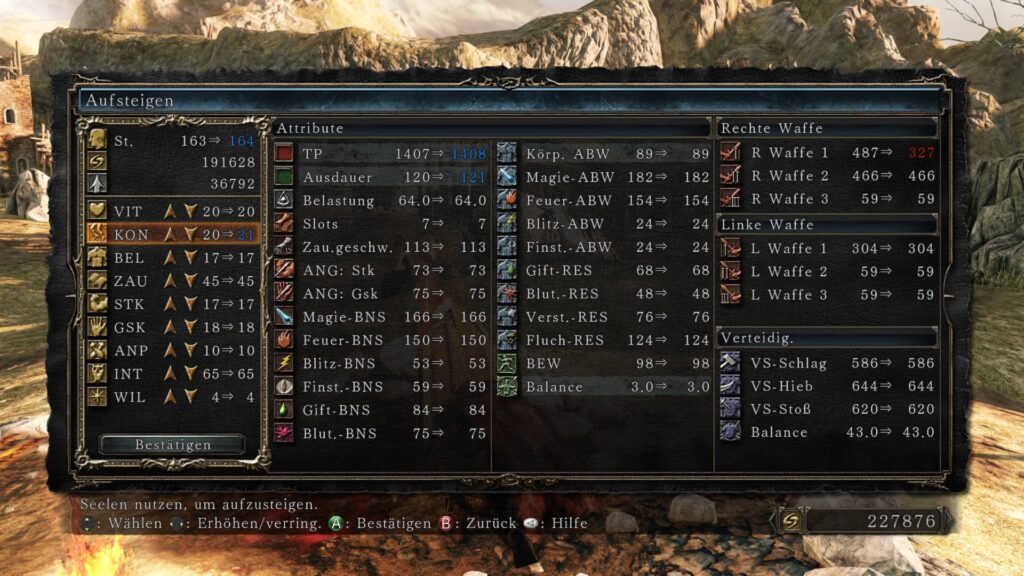
Loadouts in souls like game heavily rely on if you put your points into characteristics like strength or other ones. These loadouts consist of building a magic meter, stamina meter, speed, how many pounds you are able to carry in gear, and so on. These things make the game feel rewarding and exciting when you reach a certain point of being overpowered. This is partly due to the difficulty of Souls like games, and the experience of running through a difficult dungeon becomes enjoyable because it is now easier due to progression in game rather than some cheat which makes a game feel spoiled.
Hack and slash games are normally not known to have as many customization options as Souls like games. Some involve only unlocking and upgrading weapons with their abilities. Upgrading weapons improves damage and unlocks combo moves as well as abilities. Loadouts are dependent on weapons unlocked and which weapons you decide to upgrade. This part of the game is more restrictive compared to souls game but also makes the difficulty consistent so that when a perfect combat system is found it is not spoiled with defensive and offensive buffing making the game that much more enjoyable.
Progression and Skill Expression
The nature of rpg hack and slash games like the souls series is to eventually become overpowered so that some specific build with the right weapon will only take a few hits to finish most bosses. Before getting to this point however skill building is the main priority when finishing boss and enemy encounters. Skills such as learning when and how to dodge, parry, and attack.
Hack and Slash games contain a variety of exciting combos but in some games like God of War and Bayonetta most of them are not used because some moves are just so overpowered, which makes the game feel a bit restrictive in content the player experiences and gameplay narrow. You progress in hack and slash games by unlocking weapons, combos, and abilities like whips in Bayonetta or the Nemean Cestus in God of War 3. Progression feels rewarding as the player is forced to discover which combination of gameplay mechanics they choose to use such as charging at enemies, then using a certain combo. It is very fun in many games truly.
Many rpg hack and slash games feature a leveling system where players unlock abilities, combo extensions, and variations as they progress and level.
You can express yourself in the different fighting mechanics such as pulling enemies towards you and using quick or slow combo moves, charging at enemies, staggering enemies, using area of effect combos that attack many enemies at once and so on.
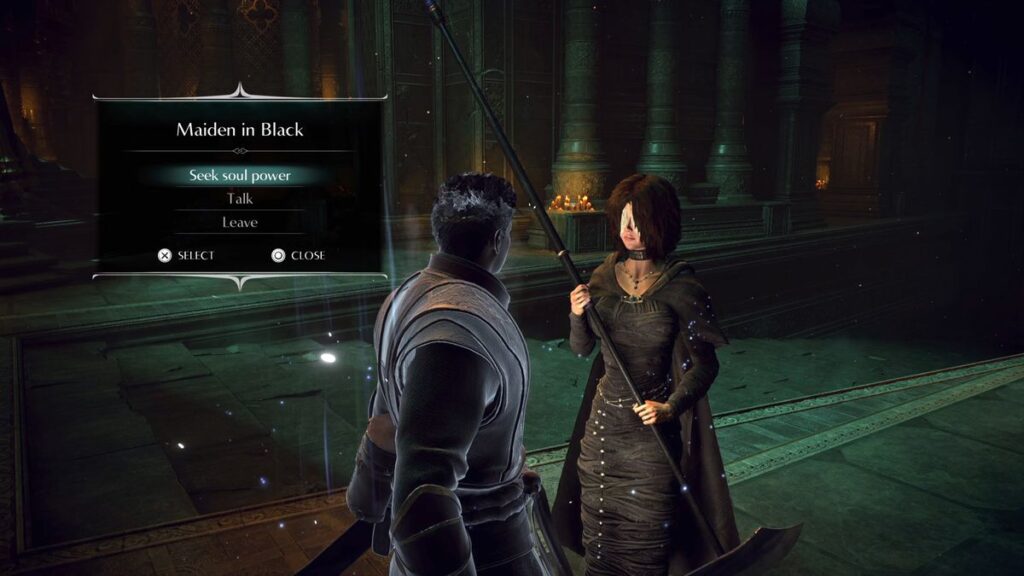
When it comes to progression and loadouts I would say it all depends on your taste but if in the end , like me, you are simply looking for immersion in combat then I would say hack and slash games win even though souls games contain a much more rich progression system. This is because the speed at which the game is played like in bayonetta carries the game itself and does not require an intricate progression system.
Level design
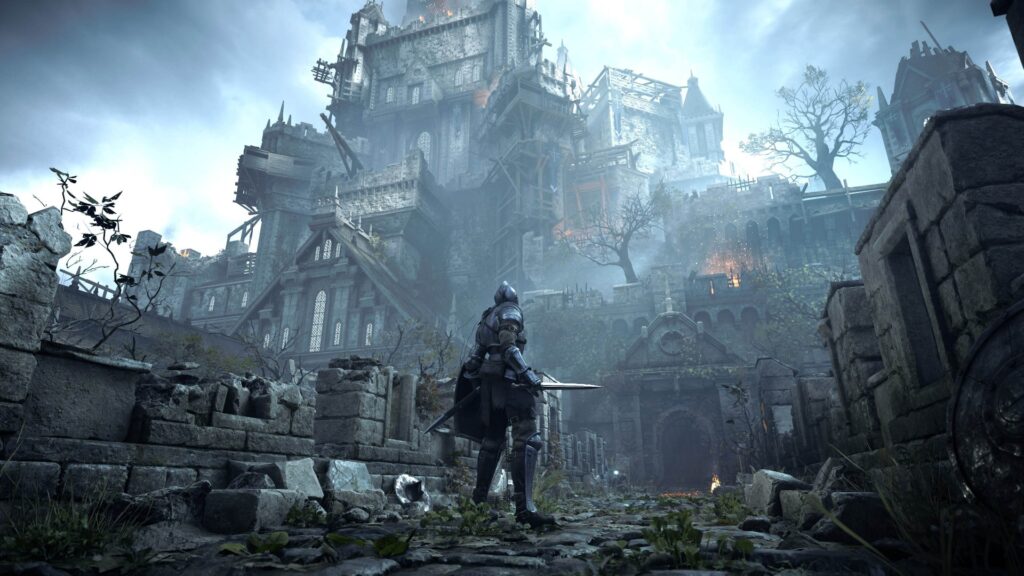
Soulslike hack and slash games involve detailed and intricate level designs where the entire game feels like a gigantic theme park but instead of rides there are castles and swamps. They seamlessly transition from rooftops on castles to canyons of dragons. They are very detailed in their level design approach. I would strongly suggest trying one of the Souls games from the original franchise if you enjoy games with highly detailed environments though the slow rpg progression may deter some.
Hack and slash games on the other hand vary, as do the Souls genre but within the original franchise holds high integrity in level design. Bayonnetta is simple in its architecture, which is mostly common and can not compare to a Souls game like Demon’s Souls’ variety and detail. Games like God of War 3 however may be less original than Souls games but it is so beautiful and has passed the threshold of richness to be considered a highly valuable game to play in terms of level design and immersive combat or you can sacrifice immersion through combat and trade it for exploration in Souls games. The trade is steep. Combat in games like Bayonetta are far more heart pumping on edge action then souls franchise most of the time. It all depends on your tastes.
When it comes to level design I say the souls genre wins against hack and slash games because of their meticulous attention to detail, overall variety of environmental objects. Walking through a good souls game is like walking through an amusement park that presents itself as an art show.
Conclusion
Though hack and slash games and Souls like games use the same button-mashing mechanic to inflict damage and a similar dodging mechanic to avoid damage. Both types of games differ in that one is an rpg style game, and the other is a combo and ability-performing game. Both games are fun but personally I strongly prefer the best hack and slashes to the best souls games due to the monotony of the progression leveling element. It’s just not that fun destroying the same high xp giving monsters all the time for days and weeks at a time just so you can advance on the next boss or become overpowered.